
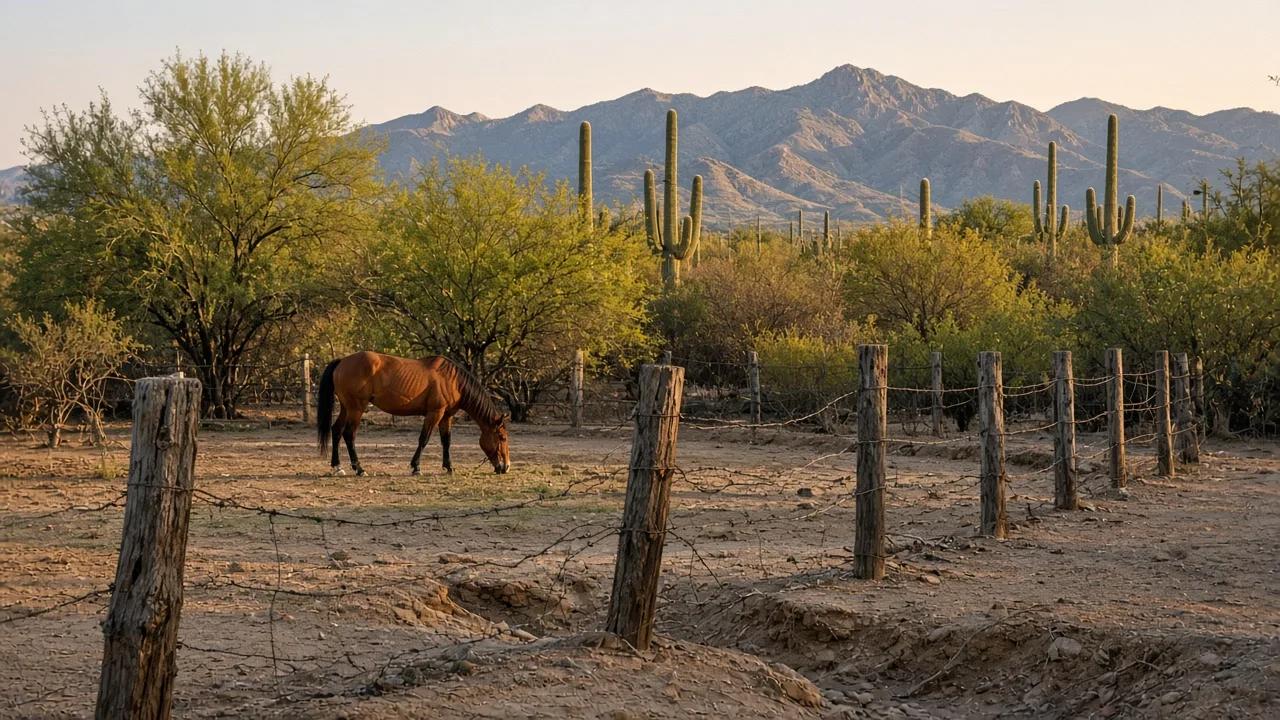
Is the fence on the property line?
Not always. A fence can run inside the line, outside it, or wander across it where a wash or a slope made a straight run hard. That matters when the fence encloses a paddock, a turnout, or a riding path you are counting on. Ask the seller how and when the fences went in, then let a survey show where the corners and lines really are.
Boundary and fence checklist for 85749 horse buyers
Walk the fence line before your inspection period gets short. Use this list with the seller disclosures and the title commitment in hand.
- Ask when each fence was built, by whom, and whether any section was moved or rebuilt.
- Look for spots where the fence bends around a wash, a slope, or a large tree instead of running straight.
- Note any gate, opening, or worn path that a neighbor, a utility, or riders appear to use.
- Check whether the barn, arena, pens, shade structures, and casita sit close to a fence that might be the line.
- Find out whether the seller has an older survey, a plat, or corner markers they know about.
- Ask who maintains any shared fence and whether there is a written agreement.
- Compare the fenced area to the acreage on the listing and ask about any big difference.
- Write down every question for the surveyor and your title company before you order the work.
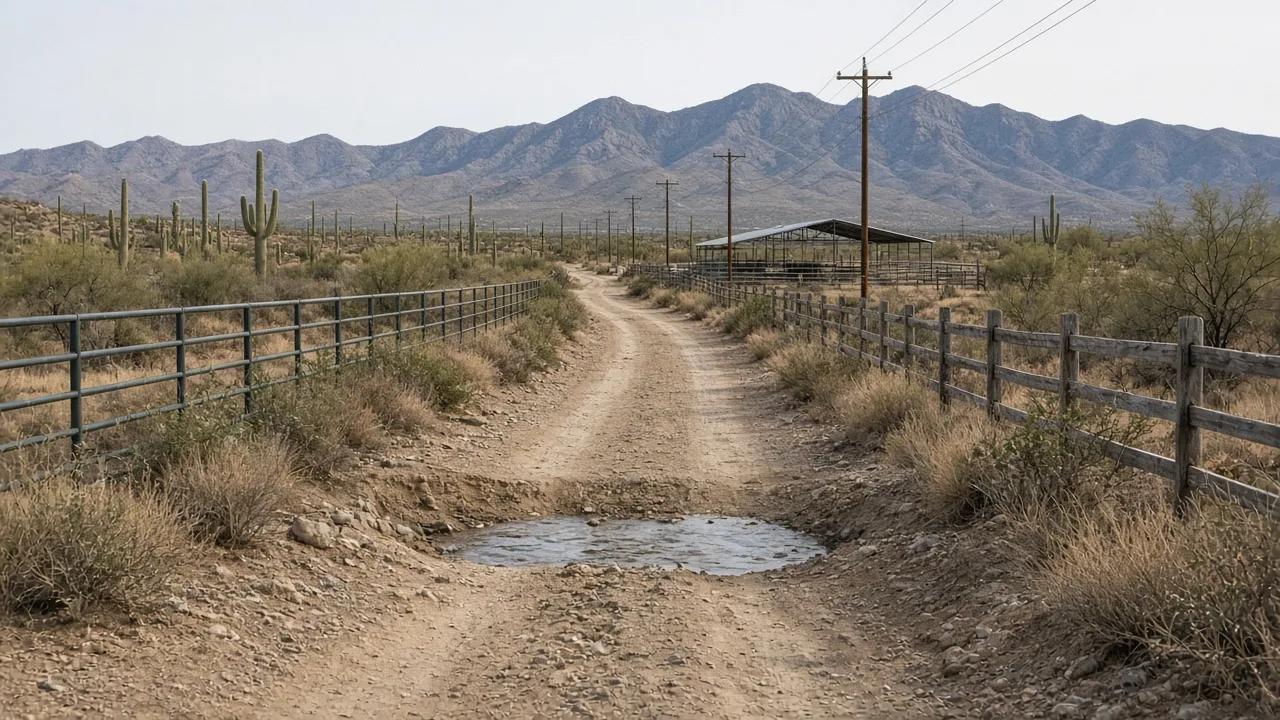
What is the difference between a survey and the plat or assessor map?
Assessor maps and recorded plats are helpful for a first look, but they are not a field survey. They do not show where a fence, a shed, or a neighbor's driveway sits on the ground. A licensed surveyor locates the boundary on site and can show improvements and visible encroachments on the drawing. Ask your title company and your lender what kind of survey, if any, they will want, and ask the surveyor what their survey will and will not show.
How to check your survey and easements, step by step
You do not need to read a survey like a surveyor. You need to know which questions to ask, and in what order.
- Pull the parcel on the county assessor map and note the lot shape, size, and any roads or washes that touch it.
- Read the title commitment and list every recorded exception, especially access, utility, and drainage easements.
- Ask the seller for any prior survey, plat, or corner markers, and for the history of each fence.
- Order a field survey early in your inspection period and ask the surveyor to show fences, structures, and visible encroachments.
- Lay the survey next to the title exceptions and mark where each easement crosses the land you plan to use for horses.
- Walk the property with the survey, find the corners, and compare them to the fence line and the barn or arena.
- Bring any gap or encroachment to your agent before your deadline so you can ask questions, request a fix, or decide under your contract terms.
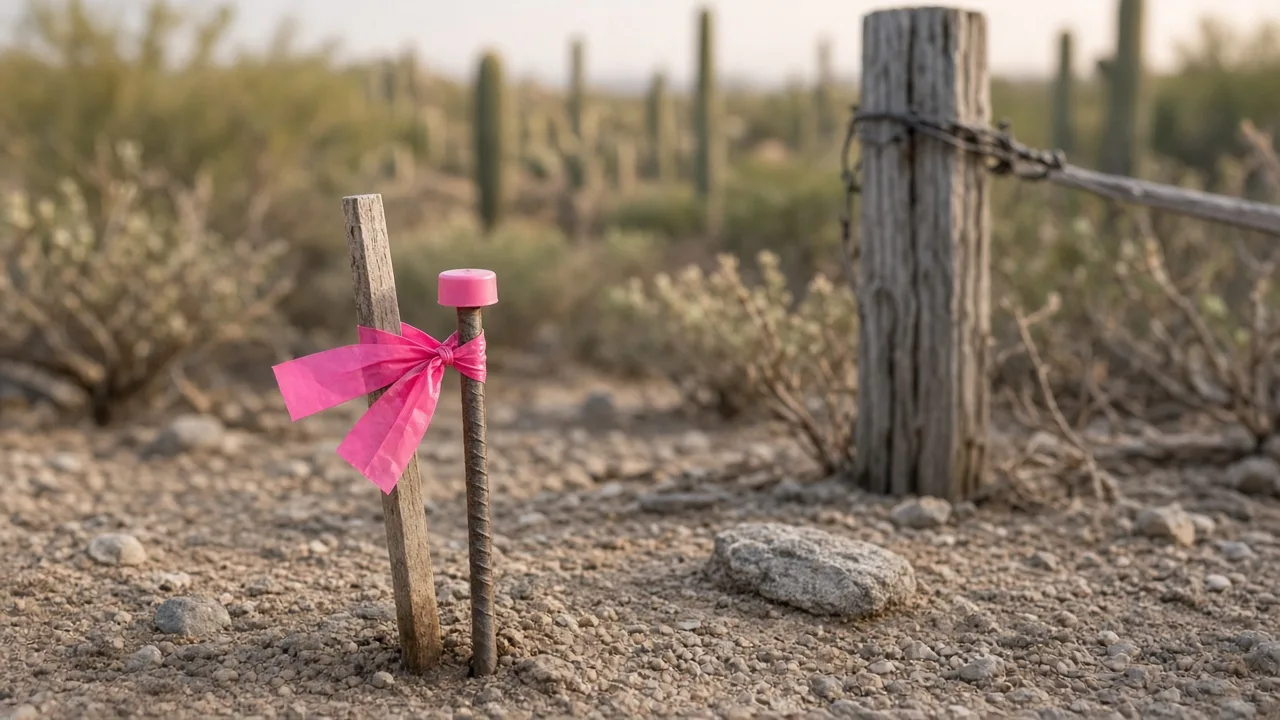
What easements should I look for on acreage?
On larger lots, easements are common and easy to miss. A shared private road or a neighbor's access may cross the parcel, so know who uses it and who maintains it. Power, water, and other lines may have recorded easements that limit where you can build or fence. Washes and drainage paths may come with recorded limits on what you can put in them. Some properties have trail use by neighbors or the public, so find out whether it is recorded or just a habit.
Read the title commitment and its listed exceptions with care, and ask questions about anything you do not understand.
What if the barn or arena sits across a line or in an easement?
Then you want to know now. A structure over a boundary or inside an easement can complicate permits, insurance, a future sale, and your relationship with the neighbor. It also ties back to whether the structure was permitted at all. During the inspection period, you still have room to ask questions, request a fix, or walk away under your contract terms.
Selling a horse property in 85749?
If you have an old survey, find it. Note any fence you know is off the line, any shared road, and any trail use, and tell your agent early. A buyer who sees the boundary story up front asks fewer worried questions during inspection.
Send us the address and we will flag the boundary and easement questions worth asking and help you line up a survey before your deadline. Start on https://85749.net/, see current homes on https://mlslistings.app/listings, write the team at https://mlslistings.app/contact, or call (520) 462-6023. Lopez & Lopez, REALTORS®, Long Realty Company.
Questions buyers and sellers ask
Do I need a survey before buying a horse property in 85749?
It is often worth it. Fences on older horse properties do not always follow the legal line, and a survey shows the boundary, easements, and where structures sit before your inspection period ends.
Is the fence line the property line on Tucson acreage?
Not necessarily. Fences are often built to fit terrain or washes and can run inside, outside, or across the true line. Only a field survey locates the boundary on the ground.
What easements are common on 85749 horse properties?
Access roads, utility lines, drainage paths, and sometimes riding trails. Check the title commitment and ask about anything listed as an exception.
When should I order the survey?
Early in your inspection period, so there is time to read it next to the title commitment and ask questions before your deadline.
Can a seller help buyers with boundary questions?
Yes. Sharing an older survey, fence history, and any shared road or trail use up front gives buyers fewer surprises during inspection.
Test this guide against the actual parcel.
A listing label is not proof. Pair the record with field observation and qualified review.
- 01Read the recordCollect parcel, water, access, restriction, utility, and permit sources.
- 02Walk the operationObserve circulation, drainage, shade, fencing, facilities, and usable ground.
- 03Ask the specialistsSend each technical question to the responsible authority or qualified professional.
- 04Write the property planTie the findings to due diligence, timing, cost, and the intended horse use.
This guide organizes the boundary, fence, and easement questions that come up on 85749 horse property sales. It does not survey, inspect, or give a title opinion on any property. Images are representative editorial media, not a specific property.
LimitsThis guide is not a survey, title, legal, or appraisal determination. Records and rules can change. A licensed surveyor and your title company answer property specific questions. No statement here is a promise about sale price or days on market.
Explains parcel layer coverage, attributes, update timing, and known qualifications.
Arizona Buyer AdvisoryArizona Department of Real EstateOrganizes documents, physical conditions, and surrounding area questions for buyers and directs buyers to qualified inspectors.